






Naomi Oreskes: "The role of the public university is to defend freedom"
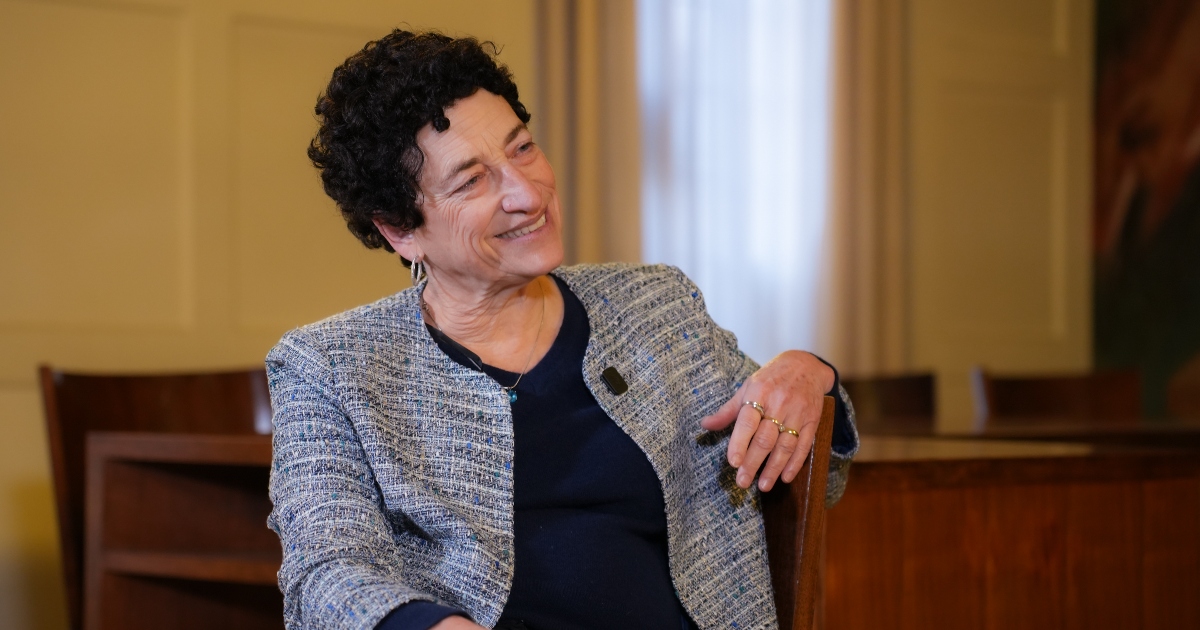
Foto di Elena Sophia Ilari
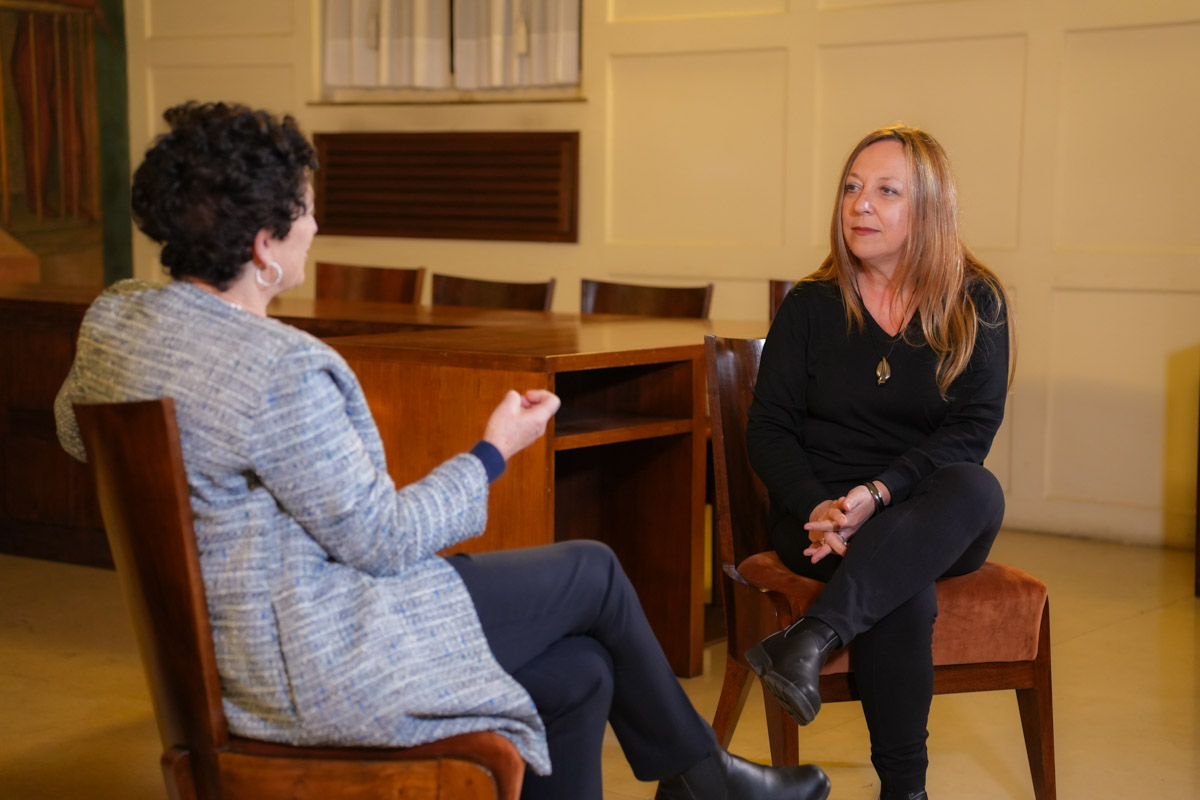
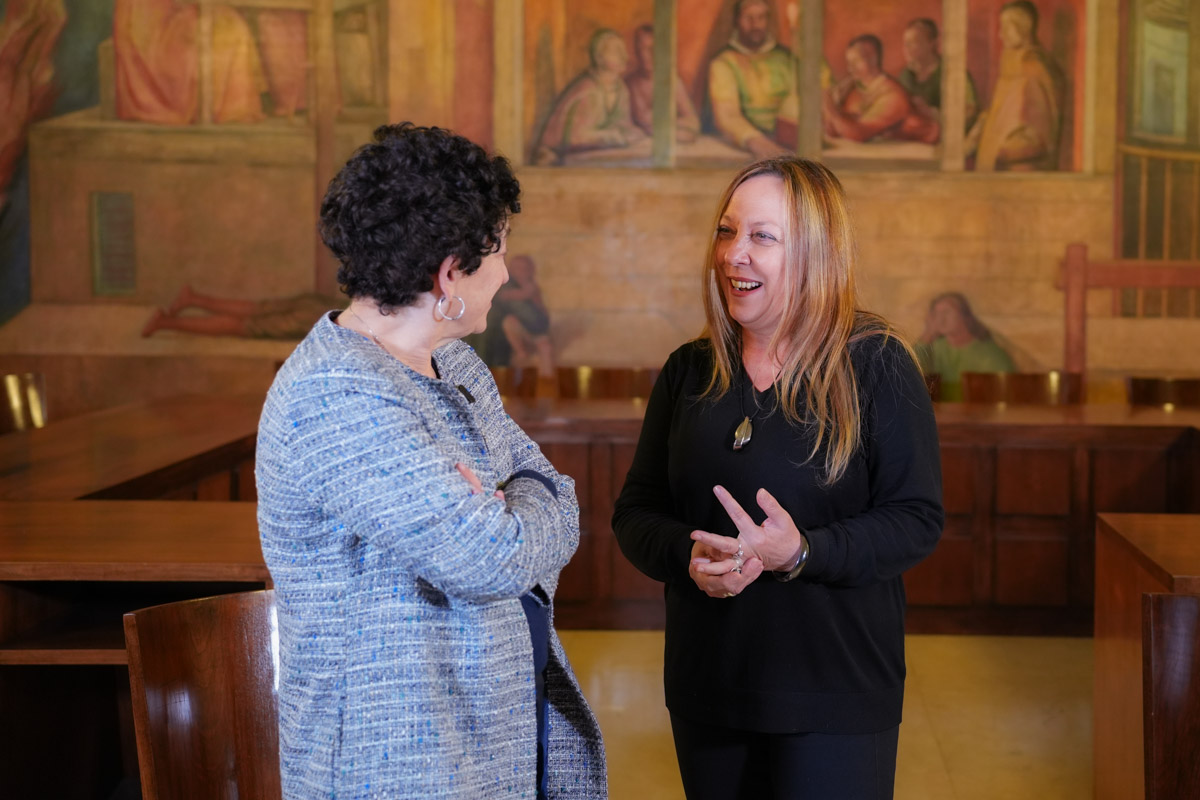
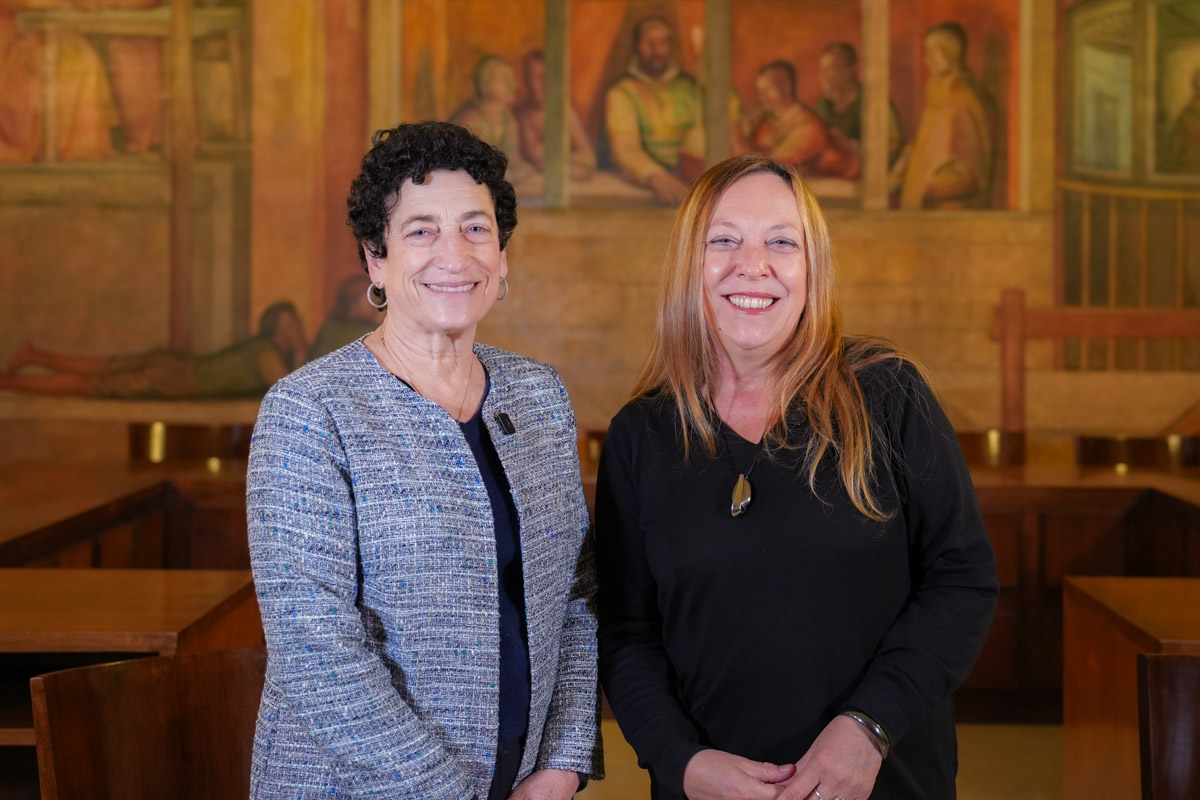
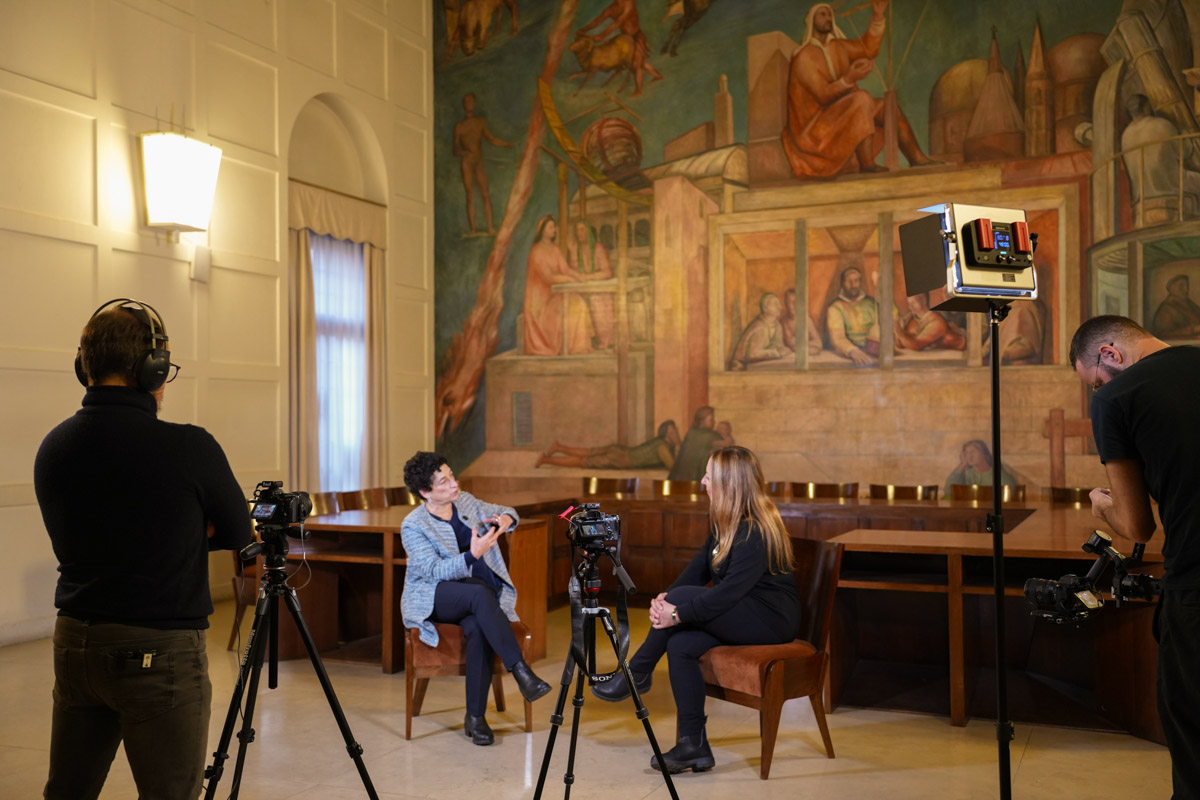
Naomi Oreskes is one of the most influential historians of science. A professor at Harvard since 2013, she has long been a keen observer of disinformation strategies. Oreskes was the guest of an event at the University of Padua, where she spoke with Il Bo Live’s editor-in-chief Telmo Pievani and managing editor Elisabetta Tola. During the conference, Naomi Oreskes and Telmo Pievani retraced the deep roots of the public’s growing mistrust in science, showing how disinformation campaigns do not arise from scientific errors but from deliberate political and economic strategies. From climate denial to cases of industrial ghostwriting such as the one involving glyphosate, a recurring pattern emerges: creating confusion, sowing methodological doubt and presenting as a “scientific debate” what is, in reality, a manipulation campaign. The pandemic amplified these dynamics, partly because public communication struggled to distinguish clearly between what was known and what remained uncertain, reinforcing the perception that science was unstable or contradictory.
Oreskes stressed how today, especially in the United States, academic freedom is threatened by political pressure and selective funding cuts, with universities often unprepared to defend the core values of research. Pievani highlighted the need to acknowledge the limits of neutrality and to strengthen science journalism, at a time when cognitive biases and oversimplified narratives make the public more vulnerable to disinformation. Both emphasized the historical and civic importance of science: a process that is not infallible, but which—precisely because of its ability to correct itself over time—remains one of the strongest pillars of contemporary democracy.
“ The main reason we should trust science is that science is designed to correct its own mistakes Naomi Oreskes
From Merchants of Doubt to The Big Myth: there is a long span of years between the two books, yet a clear red line connects them. Can you walk us through the starting point and where the work eventually led?
I think of the two books as a pair because the first is the what and the second is the why. In Merchants of Doubt we were trying to explain what was going on: who was denying climate change, what techniques they used, what strategies and tactics enabled them to cast doubt on solid science, not only about climate change but also about tobacco and other environmental issues such as the ozone hole.
We focused on what they were doing and how they were doing it. Only at the end of that book did we begin to answer the question of why, identifying the role of political ideology — specifically market fundamentalism, the idea that government involvement in the economy inevitably leads to a loss of personal freedom.
The evidence was clear; the actors themselves said these things. But once we finished the book, we had to ask why they believed this. History shows very plainly that markets are good at some things and bad at others, that they fail, and that governance is necessary to prevent abuses and protect workers. These lessons go back centuries. So why refuse to believe them? In the second book, we dig much deeper into that question.
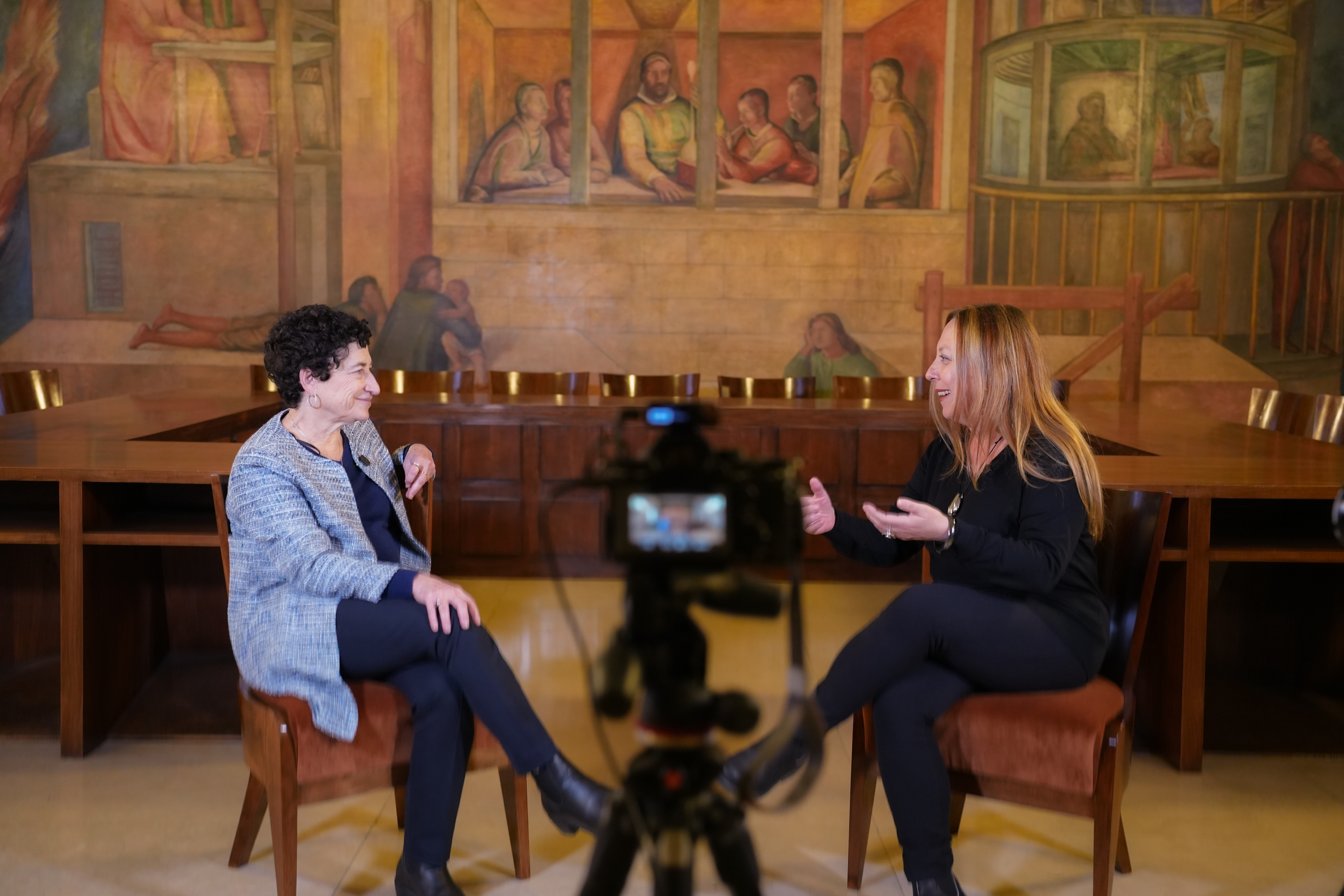

Foto di Elena Sophia Ilari
And where did this “big book” take you? It dives into history but also speaks directly to our present moment.
It became a big book because we found much more than we expected. We initially thought the anti-government politics dominating the present had developed mainly with Ronald Reagan and, in Europe, with Margaret Thatcher. But once we began digging, we uncovered a much older story that reaches back to the early twentieth century and to fierce debates about the abuses of capitalism in the late nineteenth and early twentieth centuries. Child labour, workplace injuries and the mass exploitation of workers were central to those debates.
American industrialists travelled to Europe to understand why fewer workers were dying in Germany or the United Kingdom. The answer was workmen’s compensation — insurance schemes that created strong incentives for safer factories. This discovery triggered a major debate in the United States about whether such compensation should be required by law. Eventually it became required, just as it already was in Europe, and workplaces became safer. But this progress also provoked a backlash, a movement among business leaders who opposed the idea that government had any role in protecting workers or banning child labour.
Today Europe and the United States have stronger labour protections, but companies push boundaries elsewhere. Digital innovation and AI rely on workers in countries with weaker regulations. Is this essentially the same pattern reappearing on a global scale?
Absolutely. Our book is extremely relevant to Europe today. When we first discussed it with our Italian publisher, they feared it was a “very American book.” But the same issues are now unfolding across Europe. One reason is the emergence of entirely new technologies — artificial intelligence, social media and the broader digital ecosystem — which create new harms, particularly for teenagers, and which threaten the livelihoods of many workers. This raises the question of what governments should do, how they should act to protect their citizens. Another reason is the growing argument, often influenced by the United States, that Europe is “over-regulated.” We have recently seen the Trump administration attempt to undermine European digital privacy protections. In my view, the United States is playing a retrograde role in discouraging Europe from safeguarding workers, teenagers and children. History teaches that markets left to themselves do enormous damage. Balance between private enterprise and public responsibility is essential.
“ History shows that a market left entirely to itself causes enormous harm Naomi Oreskes
Reading the two books back to back, one sees a clear pattern. Industries change — tobacco, fossil fuels, digital platforms — but the actors and tactics appear remarkably similar. And they often operate from inside institutions and academia.
Yes. That is why history matters. People tend to think history is dusty, irrelevant or disconnected from today’s technologies. Tech executives in particular want us to believe that past lessons do not apply to their world. But people do not change. Technology evolves, but human nature remains constant — ambition, greed, self-justification, rationalization, even treachery. One of the important aspects of this work is showing how the same dishonesties are repeated and recycled again and again.
Understanding this is the first step. But how can the scientific and knowledge communities react to the current attacks on science?
There are many spaces for action. The most important lesson, in my view, is to reject false dichotomies. Much of the deception we document works by setting up a false choice. In The Big Myth, the central false dichotomy of the twentieth century is the idea that the only alternatives are an entirely free, unregulated market or Soviet-style central planning and totalitarianism. Business leaders argued that even modest government action — such as banning child labour — would inevitably lead to totalitarian rule.
This is, of course, false. We can distinguish between questions. We can decide that children under a certain age should not work in factories without thereby embracing a planned economy. And we now have more than a century of evidence, particularly in Europe but also in the United States, showing that social democracy, welfare protections and environmental regulations can coexist perfectly well with thriving economies and world-class universities. We do not necessarily have to choose between prosperity and protection; we only have to think clearly about our values and draw reasonable lines.
Another widespread argument, increasingly common in Europe, is that heavy regulation slows innovation, and that Europe lags behind the United States for this reason.
I have to take a deep breath before answering, because that argument is profoundly false. Europe has a rich and impressive history of innovation. And more importantly, governments are often the true engines of innovation. Mariana Mazzucato has explained this beautifully. If you look at the major transformative technologies of the past 150 years, you will not find a single one that was developed by the private sector alone. Not one.
Some were created primarily by governments, like space travel or the internet, which was invented by the US government. Others emerged from public-private partnerships, such as railroads, telegraphy, the telephone, television and radio. The internet itself, originally known as ARPANET, was built by government-funded scientists. The private sector then acted as though it invented the internet — but without government investment, there would be no internet, no social media, no GPS, no online commerce.
If you want innovation, you need strong public-sector investment in basic science and technology, along with mechanisms for transferring that knowledge into the private sector. Without this foundation, none of today’s technologies would exist.
We often associate scientific freedom with democracy, but non-democratic countries are also advancing rapidly in science. How do these relationships actually work?
It is a complicated issue. There is certainly a natural resonance between science and democratic values — curiosity, individual initiative, the willingness to challenge accepted wisdom. But at the same time, science thrived in the Soviet Union, which invested heavily in basic science and mathematics. China today invests enormously in scientific research.
The key factor is the attitude of governments toward science. Democratic and non-democratic governments alike have supported science when they recognized its value. What we had not seen until now — and this is the tragedy of our moment — is a democratic government turning against science. That is what we are seeing in the United States today. One could conclude either that democratic governments are not intrinsically supportive of science, or that the current American government is not behaving democratically.
Harvard, the oldest university in the United States, has stood up to government attacks more than others. Are you optimistic for younger researchers?
My own university aside, university leadership in the United States has, in my view, failed to defend core academic values. Very few presidents or chancellors have stood up for academic freedom. This has been shocking to me. I think part of the problem is that, over the past thirty or forty years, Americans have so absorbed business values that many universities are now run by people who do not understand the central purpose of a university. When the time came to defend academic principles, they were unable to do so.
What gives me hope is the faculty and the students. We know why we are there and what we are committed to. And personally, being here today is meaningful for me because I see what I do as part of a thousand-year tradition of scholarship — a tradition that helps societies thrive but also enriches human life. Looking at the moon through a telescope and seeing its craters is astonishing. It reminds us of the value of knowledge and of being part of a long human project that extends far beyond any individual book or classroom.


